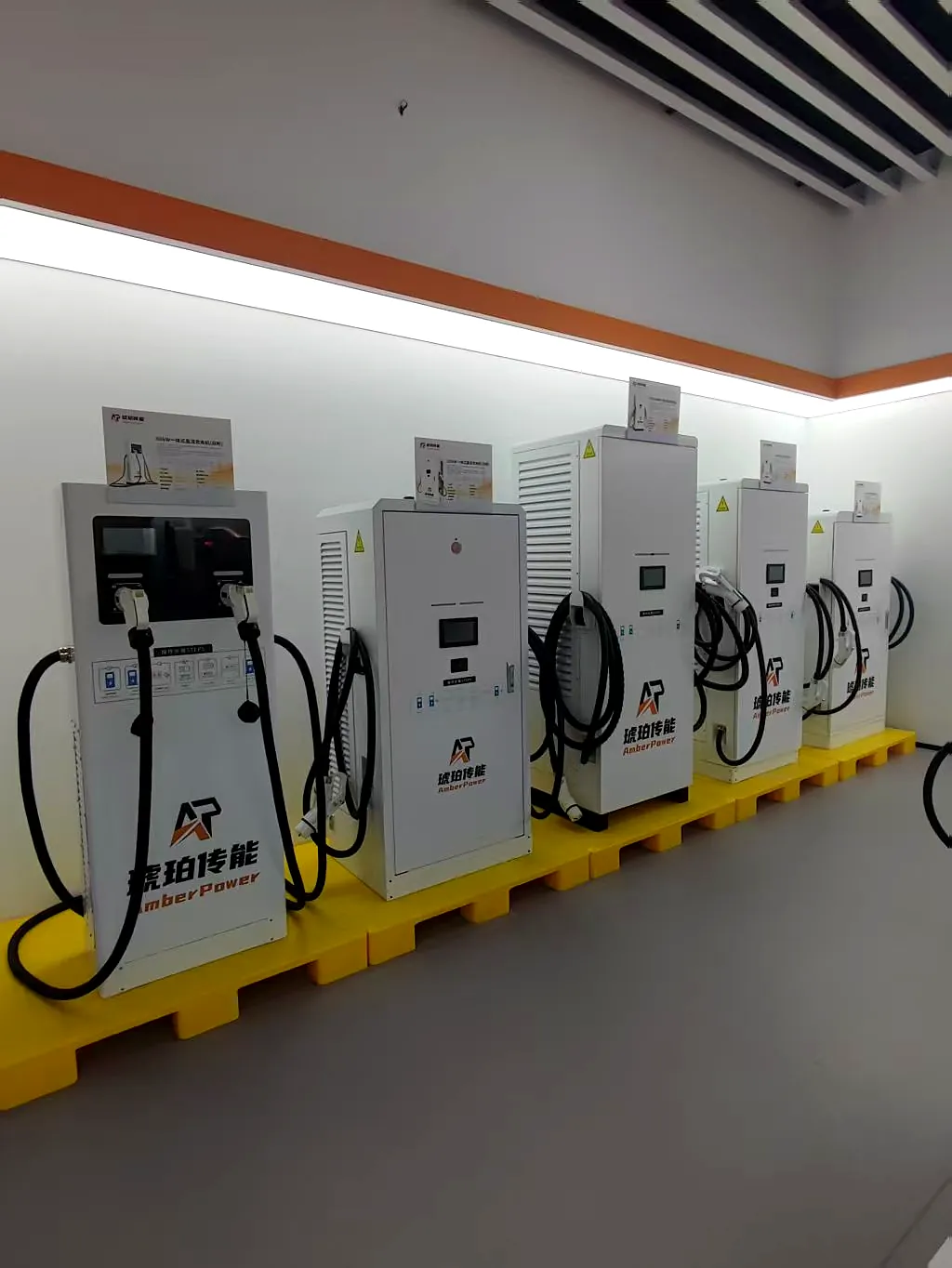
DC fast charging is the backbone of long-distance EV travel. But with multiple charging standards worldwide — CCS2, CCS1, CHAdeMO, and GB/T — choosing the right connector for your market is critical for deployment success.
The Three Major DC Standards
1. CCS2 (Combined Charging System Type 2)
CCS2 is the dominant standard in Europe, and increasingly adopted globally. It combines AC Type 2 pins with two additional DC pins below. CCS2 supports up to 350kW and is the standard for most new EVs sold in Europe, the Middle East, and many Southeast Asian countries.
2. CCS1 (Combined Charging System Type 1)
CCS1 is used primarily in North America. It builds on the J1772 AC connector with two DC pins. While North America is transitioning to NACS (Tesla's standard), CCS1 remains required for federally funded charging stations.
3. CHAdeMO
CHAdeMO was pioneered by Japanese automakers. While it supports high power (up to 400kW in the latest specification), its adoption is declining outside Japan. However, many existing installations still use CHAdeMO, making dual-standard chargers valuable in mixed markets.
Power Levels and Charging Speed
DC fast chargers range from 30kW to 360kW+. The key factors affecting charging speed:
- 30-60kW: Entry-level DC, suitable for destination charging (malls, hotels)
- 120-180kW: Standard fast charging for urban and suburban stations
- 240-360kW: Ultra-fast charging for highway corridors with liquid-cooled cables
OCPP Compatibility
All Voltensity DC chargers support OCPP 1.6J and OCPP 2.0.1, ensuring compatibility with major charging network management systems. This interoperability is essential for operators who want to integrate with multiple platforms and avoid vendor lock-in.
Choosing the Right Configuration
For highway deployments, we recommend 180-360kW dual-gun chargers with CCS2 connectors. For urban commercial sites, 60-120kW single-gun chargers offer the best cost-per-throughput ratio. For fleet depots, consider 120kW+ with dynamic load balancing across multiple chargers.